
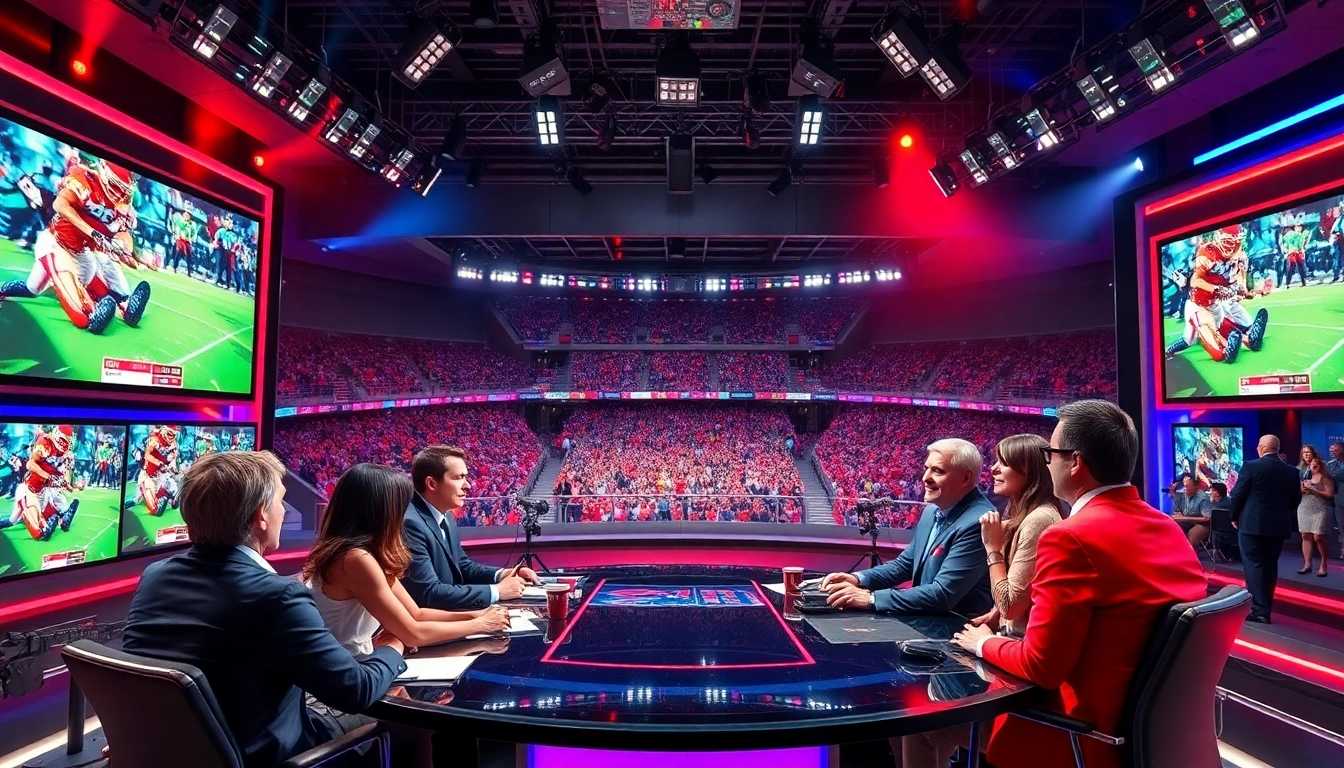
Understanding the Landscape of Sports Broadcasting
What Is Sports Broadcasting?
Sports broadcasting encompasses the dissemination of sports events via various media platforms, including television, radio, and digital channels. This field serves as a vital connection between sports organizations, athletes, and their fans. With the rapid evolution of technology, Sports Broadcasting has transformed from traditional telecasts to a dynamic fusion of live-streaming services and social media integration, altering how audiences engage with their favorite sports.
History and Evolution of Sports Broadcasting
The origins of sports broadcasting can be traced back to the early 20th century when radio became a popular medium. The first live sports broadcast occurred in 1921, featuring a boxing match. Television further revolutionized this landscape in the 1930s, allowing fans to experience events from the comfort of their homes. Over the decades, landmark broadcasts such as the Super Bowl and the FIFA World Cup have catapulted sports broadcasting into a more significant cultural role, showcasing the growing demand for live sports content.
As technology advanced, so did the capabilities of sports broadcasters. The late 20th and early 21st centuries introduced high-definition broadcasts, 24/7 sports news channels, and the internet’s potential for live streaming. Recent years have witnessed the advent of artificial intelligence and virtual reality, promising to redefine audience engagement and experience.
Role of Technology in Sports Broadcasting
Technology serves as both the backbone and catalyst of modern sports broadcasting. With the rise of high-speed internet and mobile devices, viewers now have greater access to live games and highlight reels on-demand. The integration of analytics has transformed commentary and analysis, providing fans with deeper insights into performance and strategies. Additionally, the implementation of augmented reality (AR) has enhanced viewer experience by offering interactive graphics during broadcasts.
Tightly aligned with social media, sports broadcasting has adapted to engage a wider audience through platforms such as Twitter, Instagram, and TikTok. Highlights, behind-the-scenes content, and interactive polls have created a two-way communication channel between fans and broadcasters, fostering a sense of community around sports events.
Key Skills for Sports Broadcasting Professionals
Communication Skills That Matter
In the fast-paced, competitive world of sports broadcasting, effective communication is essential. Broadcasters must articulate thoughts clearly and succinctly while captivating their audience. Meanwhile, the capability to connect with athletes, coaches, and fans directly enhances the quality of coverage. Exceptional broadcasters can adapt their language based on the audience, whether they are reporting live from the field or hosting a panel discussion.
Furthermore, emotional intelligence plays a crucial role. Understanding the emotional highs and lows inherent in sports allows broadcasters to resonate with their audience during pivotal moments, such as last-minute game-winning plays or post-game reflections.
Technical Proficiency in Broadcasting
While communication is vital, technical proficiency cannot be overlooked. Modern sports broadcasters must be adept in using various multimedia tools, software, and production equipment. Familiarity with video editing software, sound mixing, and live-streaming technology is crucial in creating compelling segments that maintain viewer engagement.
Additionally, understanding the technical nuances of broadcasting, such as camera angles, lighting, and sound quality, can significantly enhance overall broadcast quality. Continuous learning is key, as technology in broadcasting evolves at a rapid pace, making it imperative to stay updated on the latest trends and tools.
Understanding the Sport and Audience
Thorough knowledge of the sport being covered is equally important. Sports broadcasters should immerse themselves in the nuances, rules, and history of the game to provide informed commentary and analysis. This insight equips them to answer questions and tackle pressing issues relevant to the audience.
Furthermore, understanding the audience’s preferences is an integral part of a broadcaster’s job. Knowing what resonates with viewers—from the type of statistics they appreciate to the styles of presentation they prefer—enables broadcasters to tailor their content effectively, ultimately enhancing viewer loyalty.
Creating Engaging Sports Broadcasting Content
Developing Compelling Storylines
Storytelling is at the heart of engaging sports broadcasts. Beyond just showing the game, broadcasters must weave narratives that captivate viewers. This involves highlighting athletes’ personal journeys, historical moments within the sport, and rivalries that add depth to the viewing experience.
Broadcast teams can enhance narratives through interviews, pre-game features, and post-game analysis, allowing fans to connect emotionally with the players and teams. As these storylines develop throughout the season, viewers become invested in the journey, making sports broadcasting more than just a spectacle; it transforms into an emotional experience.
Utilizing Social Media for Engagement
Social media has revolutionized how sports content is consumed and shared. Broadcasters can leverage platforms such as Twitter and Instagram to keep fans updated, share highlights, and promote upcoming broadcasts. This engagement fosters a conversation amongst fans, allowing them to share reactions, insights, and excitement during live games.
By utilizing live tweeting, behind-the-scenes footage, and fan polls, broadcasters create a multidimensional experience that pulls fans closer to the action. These marketing strategies not only maintain interest but also showcase how integral social media is to modern sports broadcasting.
Innovative Formats and Approaches
Innovation drives success in sports broadcasting. With emerging technologies, broadcasters are encouraged to explore new formats that cater to changing viewing habits. For instance, short-form content designed for mobile viewership has gained popularity, catering to audiences who prefer quick highlights and updates over lengthy broadcasts.
Additionally, interactive broadcasts where viewers can choose camera angles or multiple live feeds provide an enriched experience. Experimentation with formats, such as eSports broadcasts that blend gaming and traditional sports commentary, can also harness new audiences, showcasing the adaptability required in the current market.
Navigating Challenges in Sports Broadcasting
Adapting to Changes in Technology
In an era where technological advancements are rapid, sports broadcasters must embrace change or risk falling behind. Continuous training on new software, streaming platforms, and equipment is required to maintain quality content delivery. Adaptation also means understanding audience preferences for on-demand versus live coverage.
Broadcast teams should adopt flexible strategies that allow them to pivot quickly in response to new trends, such as the significant growth of podcasting in the sports niche or live commentary on social platforms.
Managing Viewership and Ratings
Maintaining viewership numbers and favorable ratings is integral to any sports broadcaster’s success. Competition is fierce, with numerous networks and platforms vying for attention. To combat this, broadcasters must consistently deliver high-quality content while also exploring partnerships and cross-promotions with other media outlets.
Emphasizing data analytics to understand viewership trends and demographics can guide content creation strategies. Utilizing viewer feedback to adjust programming and test new concepts ensures continual improvement and aligns broadcasting with audience desires.
Legal Considerations in Sports Broadcasting
Sports broadcasting is fraught with legal considerations encompassing licensing, broadcasting rights, and intellectual property. Understanding the legal framework is crucial for any professional in the field. Contracts with sports leagues, agreements with sponsors, and compliance with broadcasting regulations all play significant roles in shaping content strategies.
Furthermore, issues surrounding copyright infringement, player rights, and the handling of sensitive content (such as injuries) require cautious navigation to maintain a network’s credibility and public trust.
The Future of Sports Broadcasting
Impact of Streaming Services on Broadcasts
Streaming services have significantly impacted how sports content is distributed. With the rise of platforms like Netflix and Amazon Prime, traditional broadcasting models face pressure to innovate. Many sports networks have created their streaming options, increasing accessibility and allowing viewers to watch games on their terms.
This transition to streaming signifies a shift in revenue models as advertising on non-linear platforms differs from traditional broadcasting. As more fans opt for digital consumption, the necessity for broadcasters to adapt will be critical in this evolving landscape.
Evolving Viewership Trends and Insights
Viewership trends are always in flux, shaped by cultural shifts and technological advances. Younger audiences, in particular, gravitate toward interactive content and immersive experiences, challenging broadcasters to rethink engagement strategies.
Analyze metrics such as social media interaction and real-time feedback during live broadcasts to refine content offerings. Utilizing these insights, broadcasters can adjust their approaches to embrace trends favoring shorter segments and personalized experiences.
Predicting Future Innovations in Broadcasting
Looking ahead, advancements in technology will undoubtedly influence the sports broadcasting landscape. Potential innovations include enhanced use of artificial intelligence to curate personalized content, improved VR experiences that place viewers inside the action, and even blockchain technology for secure transactions in broadcasting rights.
As these technologies evolve, the future of sports broadcasting is likely to be more interactive, tailored, and focused on viewer engagement, marking an exciting chapter in the way audiences connect with sports.
FAQs About Sports Broadcasting
What skills are essential for a career in sports broadcasting?
Essential skills include communication, technical proficiency, understanding sports, and the ability to engage an audience effectively. Adaptability to technology is also crucial.
How has technology changed sports broadcasting?
Technology has facilitated high-definition broadcasts, live streaming, social media engagement, and interactive experiences, greatly enhancing viewer participation.
What are the current trends in sports broadcasting?
Current trends include the rise of streaming services, interactive broadcasts, short-form content, and significant social media integration to engage audiences.
What challenges do sports broadcasters face today?
Broadcasters face challenges such as adapting to rapidly changing technologies, managing viewer preferences and ratings, and navigating legal complexities effectively.
What does the future hold for sports broadcasting?
The future of sports broadcasting may feature advanced AI integration, immersive VR experiences, and more interactive formats, promising new ways to engage audiences.