Understanding Auto Window Tinting
What is Auto Window Tint?
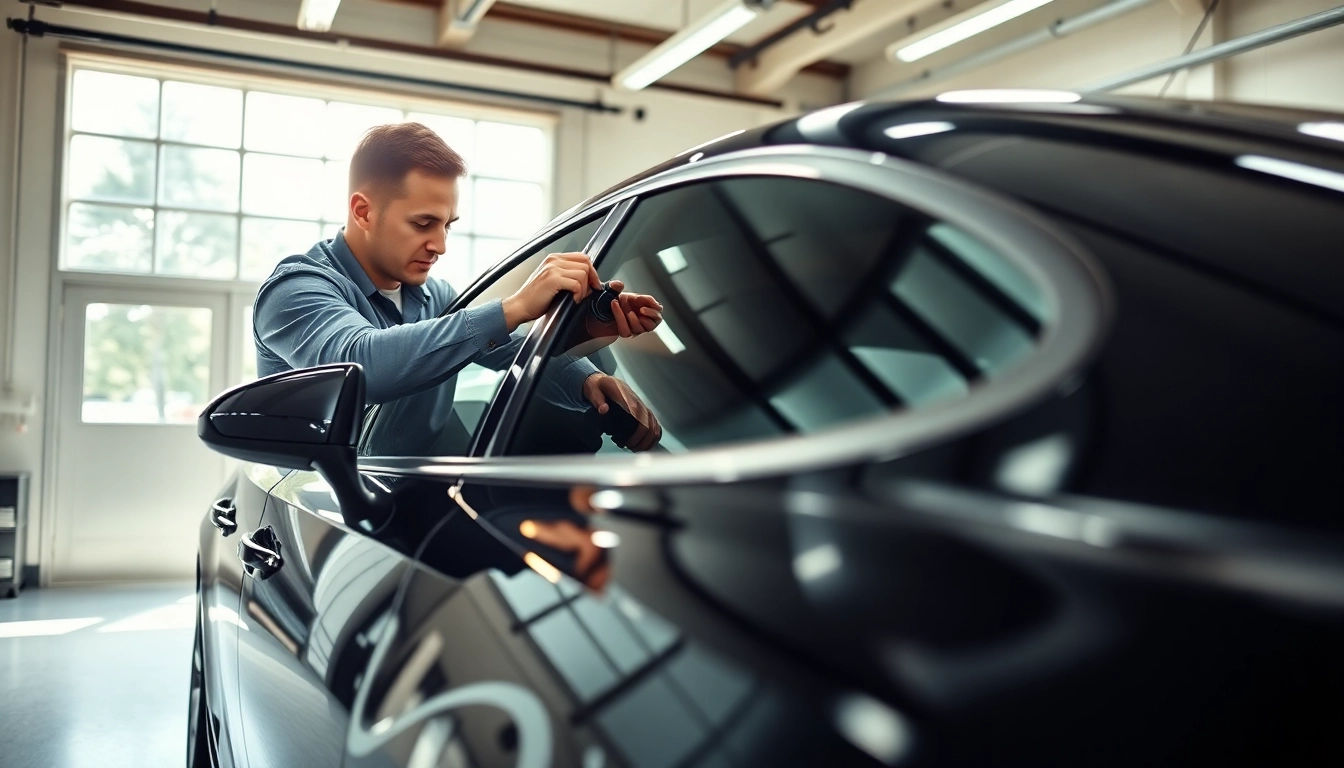
Auto window tinting involves applying a thin film to the windows of a vehicle, which alters the visibility and aesthetics. This film can come in various shades and materials, providing different levels of heat reduction, UV protection, and glare reduction. It serves both practical and visual purposes, appealing to drivers looking to enhance their car’s comfort and appearance.
Benefits of Auto Window Tinting
Window tinting offers numerous benefits that enhance the vehicle’s functionality and the driver’s experience:
- Heat Reduction: Tinted windows can significantly decrease the internal temperature of a vehicle, making it more comfortable on hot days.
- UV Protection: High-quality tint films block up to 99% of harmful ultraviolet rays, protecting passengers and interior upholstery from sun damage.
- Glare Reduction: Reduced glare from sunlight helps enhance driver visibility and concentration, improving safety.
- Privacy: Window tinting increases privacy for passengers and belongings, deterring potential theft.
- Enhanced Aesthetics: Tinted windows enhance the overall appearance of the vehicle, giving it a sleek and polished look.
Types of Window Tint Film
When considering auto window tinting, it is essential to know the different types of tint film available:
- Dyed Window Film: This film is made by dyeing the adhesive layer, providing a high level of privacy and aesthetic value.
- Metalized Window Film: Featuring metal particles, this film provides excellent UV protection and heat reduction but may interfere with electronic signals.
- Carbon Window Film: Known for its durability, this film does not fade and offers superior heat rejection without interference with electronic devices.
- Ceramic Window Film: A premium option, this film has non-metallic ceramic particles that offer great heat reduction and UV protection without signal interference.
Choosing the Right Tint for Your Vehicle
Legal Regulations for Window Tint
Understanding local regulations regarding window tinting is crucial. Many states have specific laws governing the permissible levels of tint on different windows of a vehicle, particularly concerning visibility.
- Front Windshield: Often allowed to be tinted only at the top.
- Front Side Windows: Typically require a higher Visible Light Transmission (VLT) percentage.
- Rear Windows: Often less restricted, allowing darker tints.
Check local laws to ensure compliance, as violations can result in fines or the requirement to remove the tint.
How to Analyze Tint Options
When evaluating tint options, consider the following factors:
- VLT Percentage: The lower the percentage, the darker the tint. Choose a percentage that meets your aesthetic preferences and local laws.
- Heat Rejection: Research the performance characteristics of different films, especially if heat reduction is a priority.
- UV Protection: Ensure the film blocks a substantial percentage of harmful UV rays for enhanced safety.
- Warranty: Look for films with long warranties that speak to their quality and durability.
Consulting Professionals Near Me
Working with professionals ensures not only compliance with local legislation but also optimal performance and durability of the tint. A local expert can help in choosing the right type of film based on your needs and preferences. For instance, seeking auto window tint near me can connect you with qualified professionals who can provide personalized advice and quality installation services.
Installation Process Overview
Preparing Your Vehicle for Tinting
Before the tinting process begins, proper preparation is essential:
- Clean the Windows: Thoroughly washing the windows removes any dirt or residues that may affect the application.
- Remove Accessories: Take off any window stickers or accessories that may hinder the tinting process.
- Assess the Condition: Ensure the windows and surrounding areas are in good condition to avoid complications during installation.
Steps for Professional Installation
Though specific methods may vary by professional, the general installation steps typically include:
- Measuring the windows to ensure precise film cutouts.
- Applying a soapy solution to the surface to aid in film application.
- Carefully placing and aligning the film on the designated windows.
- Using a squeegee to push out air bubbles and excess solution for a smooth finish.
- Trimming away excess film to finish the installation.
Common Mistakes to Avoid
To ensure a successful tinting job and prolong the lifespan of the film, avoid these common pitfalls:
- DIY Installation: Unless you have experience, professional installation is crucial for achieving the best results.
- Poor Quality Film: Opt for reputable films, as low-quality products may fade or bubble quickly.
- Skipping Preparation: Neglecting to clean windows thoroughly can lead to imperfections in the final product.
- Ignoring Curing Time: Follow the recommended curing times to allow the adhesive to bond adequately.
Maintenance and Care for Your Tint
How to Clean Tinted Windows
Cleaning tinted windows requires specific approaches to avoid damaging the film:
- Use a soft microfiber cloth to prevent scratches.
- Employ ammonia-free cleaning solutions, as ammonia can degrade the tint film.
- Gently clean in a circular motion to ensure even coverage and remove grime effectively.
Identifying Damage and Repairs
Tinted windows can experience damage over time. Be vigilant in checking for:
- Bubbles: Often caused by improper installation or moisture trapped beneath the film.
- Fading: Signs of diminished color integrity generally indicate a need for replacement.
- Peeling: This might occur at the edges and may need full panel replacement if significant.
Longevity of Auto Window Tint
The lifespan of auto window tint varies based on several factors, including film quality and environmental conditions. Generally, high-quality tints can last anywhere from five to ten years, with proper maintenance. Environmental factors such as exposure to sunlight and temperature fluctuations can impact longevity, so regular upkeep and examination of the tint’s condition are essential.
FAQs about Auto Window Tint Near Me
What are the costs associated with auto window tint?
Costs for auto window tinting can vary widely based on vehicle type, tint quality, and shop labor rates, typically ranging from $100 to $500.
How long does window tint last?
The longevity of window tint can range from 5 to 10 years, depending on the type of film used and how well it’s maintained.
Will window tint affect my car’s warranty?
Generally, professional installation of window tint does not void your car’s warranty, but it’s advisable to check with your warranty provider.
Can I install window tint myself?
While DIY installation is possible, professional installation is recommended for the best results and to avoid common installation mistakes.
What should I know before getting window tint?
Understand your local laws concerning tint opacity, consider the benefits you seek, and choose a quality film that meets your needs.